Bonus Math Nobody's Showing You: The Real Arithmetic Behind Mirror Platform Reward Systems
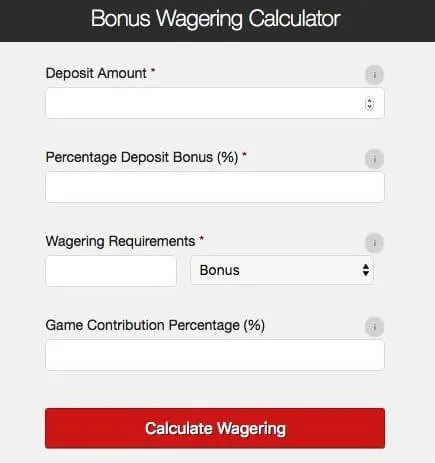
Photo: casino bonus chips money deposit reward offer calculation math gambling, via globalextramoney.com
A 200% deposit match sounds like free money. Triple your deposit, play with house funds, keep the winnings. It's a compelling pitch, and it shows up constantly across mirror platforms targeting US players who can't access mainstream domestic gambling options. The headline number is designed to get you in the door. What happens after that is where the real math lives.
This isn't an argument against using bonuses — used correctly, they can provide genuine value. It's an argument for understanding what you're actually agreeing to before the offer expires and the terms become your problem.
The Anatomy of a Mirror Platform Bonus
Most bonus structures across international mirror platforms share a common skeleton, even when the surface numbers vary dramatically. Understanding each component independently is the only way to evaluate the total offer honestly.
Deposit match percentage: This is the headline number. A 100% match on $200 gives you $200 in bonus funds. A 200% match gives you $400. Bigger sounds better, but this number alone tells you almost nothing about actual value.
Rollover requirement (also called playthrough): This is the multiplier applied to your bonus funds before you can withdraw any winnings derived from them. A $200 bonus with a 40x rollover requires you to wager $8,000 before a single dollar of bonus-derived winnings becomes cashable. That $8,000 in action has an expected cost attached to it based on the house edge of whatever games you're playing.
Game contribution weighting: This is where most players get surprised. Not all games count equally toward rollover. Slots might contribute 100%, but blackjack — which has a significantly lower house edge — might contribute only 10% or 20%. To clear your rollover playing blackjack, you'd need to wager five to ten times as much as the stated requirement. The platform isn't hiding this, exactly. It's just buried in terms and conditions most people don't read.
Maximum cashout caps: Many bonuses, particularly on mirror platforms with aggressive acquisition offers, cap the amount you can actually withdraw from bonus winnings. A $500 cap on a $400 bonus with a 40x rollover means that even if you run exceptionally hot, your upside is artificially capped while your downside remains unlimited.
Mirror Sites vs. Official Platforms: What's Actually Different
Here's a nuance worth understanding. Mirror platforms — alternative access points for international casinos operating in regions with restrictions — don't always set their own bonus terms independently. Many mirror the parent platform's offer structure exactly. But some operate with more autonomy, and that's where the divergence gets interesting.
Mirrors with independent promotional authority sometimes offer more aggressive acquisition bonuses because they're competing for a specific audience: players who've been redirected by geo-blocks and might otherwise not convert. The logic is straightforward — a higher upfront offer increases the probability that a skeptical new user deposits. The economics work if the rollover requirements ensure enough play volume to offset the acquisition cost.
For US players specifically, this creates a fragmented landscape where nominally identical games come packaged with very different bonus terms depending on which access point you landed on. The game is the same. The math around it isn't.
Running the Numbers on a Real Offer
Let's work through a concrete example. Suppose a mirror platform offers a 150% deposit match up to $300, with a 35x rollover requirement and 100% game contribution on slots (house edge approximately 4%).
You deposit $200, receive $300 in bonus funds, and need to wager $300 × 35 = $10,500 to clear the bonus. At a 4% house edge, your expected loss on that $10,500 in action is $420. The bonus you received was worth $300 in nominal terms. Net expected value of the offer: negative $120, before you've touched your original deposit.
Now run the same math on a more conservative official platform offer: 100% match up to $200, 25x rollover, same game selection. Rollover requirement: $200 × 25 = $5,000. Expected loss at 4% edge: $200. Bonus value: $200. Net expected value: zero — a breakeven offer, which is actually a decent deal in this context.
The mirror platform's flashier headline number produced a worse outcome. This is not an accident.
What to Actually Look For
Evaluating a bonus offer across any platform — mirror or otherwise — comes down to a few key calculations that take about five minutes and can save you hundreds of dollars.
First, multiply the bonus amount by the rollover requirement to get your total required wagering. Second, multiply that number by the house edge of the games you plan to play (you can find this in published RTP data — look for games with 96%+ RTP, meaning a 4% or lower house edge). Third, compare that expected cost to the nominal bonus value. If the expected cost exceeds the bonus value, the offer is mathematically negative from the start.
This doesn't mean never take a bonus. It means take bonuses where the math is close to neutral or genuinely favorable — lower rollover requirements, higher RTP games with full contribution weighting, no punishing cashout caps. Those offers exist on mirror platforms and official sites alike. They're just not the ones with the biggest headline numbers.
The underground economy of mirror platform bonuses isn't inherently predatory. It's just opaque. Making it transparent is a choice, and right now that choice belongs to you.