First to Play: How Mirror Platforms Put New Slots in Your Hands Before the US Market Even Knows They Exist
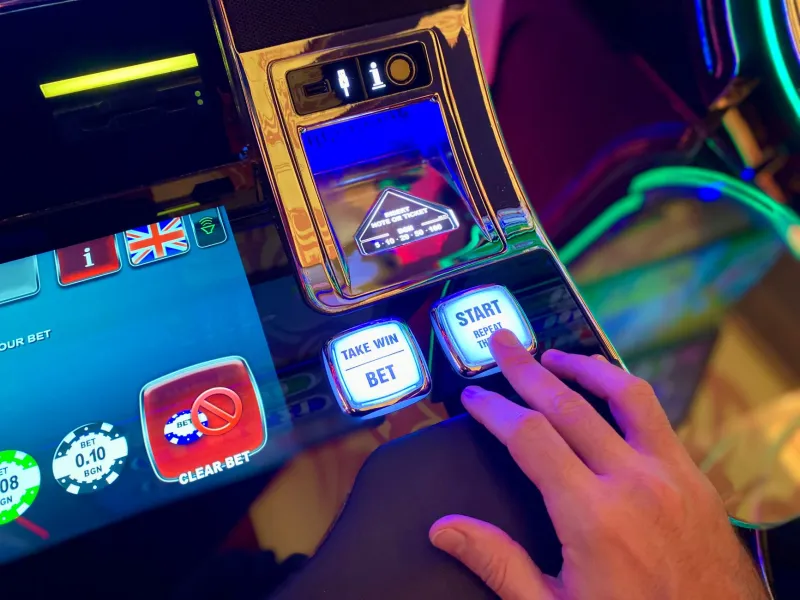
If you've ever noticed a slot title getting hyped on gambling forums only to realize it won't be available on your usual US-licensed platform for another three or four months, you've already bumped into one of the quieter advantages of playing through a mirror platform. The timing gap is real, it's structural, and for players who care about chasing fresh content, it matters a lot more than most people realize.
At Вулкан Платинум Зеркало, we see this play out constantly. Games that drop on international platforms in January sometimes don't hit regulated US-facing casinos until spring — sometimes later. Let's break down why that happens and what it actually means for your session.
How a Slot Actually Gets to You
Most players think of a new game release as a single event. Studio announces it, it drops, you play it. The reality is messier. When a developer like Pragmatic Play, Hacksaw Gaming, or Nolimit City finishes a title, that game doesn't just appear everywhere simultaneously. It enters a staggered licensing and certification pipeline that looks completely different depending on where a casino operates.
For international platforms — the kind that mirror sites typically connect to — that pipeline is relatively short. A developer completes testing, gets certification from a body like eCOGRA or GLI for a broad international market, and operators can integrate the title within weeks. Agreements between studios and international operators are often pre-structured, meaning games slot into existing API connections almost automatically.
US-facing regulated casinos operate under a different set of constraints entirely. State-level gaming commissions — think New Jersey's DGE, Pennsylvania's PGCB, or Michigan's MGCB — require independent technical evaluations specific to their jurisdiction. A game certified for Malta or Curaçao isn't automatically cleared for New Jersey. That certification process, combined with the back-and-forth between the studio, the testing lab, and the state regulator, adds months to the timeline. Sometimes the delay is administrative. Sometimes it's because a game's feature set — say, a buy-bonus mechanic — needs to be stripped or modified before a state will approve it.
The Mirror Platform Position in That Supply Chain
Mirror platforms sit upstream from the US regulatory bottleneck. Because they operate under international licensing frameworks rather than state-specific ones, they can integrate games as soon as those titles clear the broader international certification. That's often six to twelve weeks faster than what a licensed US operator can offer — and for prolific studios releasing eight to fifteen titles a month, that gap compounds quickly.
For platinum-tier players who treat their session time as an investment, this is genuinely meaningful. Early access to a new Nolimit City title isn't just novelty. It means playing a game before the strategy community has fully mapped its volatility profile, before Reddit threads have spoiled its bonus mechanics, and before the initial RTP data has been aggregated across millions of spins. There's a first-mover element here that experienced players understand intuitively.
It also means a wider live catalog at any given moment. A serious slot enthusiast on a regulated US platform might have access to 400 or 500 titles. A player on an international platform accessed through a mirror can be looking at 2,000 or more — and that library is refreshing faster, week over week.
Is "Early Access" Actually an Advantage or Just a Talking Point?
Fair question. There's no shortage of marketing language in the online gambling world, and "access to the latest international releases" is exactly the kind of phrase that gets slapped on a homepage without much substance behind it.
So let's be direct about when it matters and when it doesn't.
For casual players who gravitate toward a handful of familiar titles — Book of Dead, Gates of Olympus, a couple of Megaways games — the early access angle is mostly irrelevant. If you're happy spinning what you already know, the release timing gap doesn't affect your session at all.
For players who actively hunt new content, the advantage is real and measurable. Studios build promotional energy around launch windows. Some developers seed early-access titles with slightly elevated RTP configurations during the initial rollout period as a way of generating positive word-of-mouth and streaming content. Whether that practice is consistent or systematic is debated, but it's documented enough to be worth noting.
There's also a psychological angle that's easy to underestimate. Playing a game that's genuinely new — that hasn't been exhaustively reviewed, that your poker night crew hasn't already dissected — carries a different kind of engagement. Novelty has value in entertainment, and the mirror platform model delivers more of it, more often.
What Platinum Players Are Actually Chasing
At the premium tier of online gambling, the conversation shifts from pure game availability to the combination of access, service, and speed. Platinum players aren't just looking for more slots — they want to be first, they want exclusive configurations, and they want platforms that treat early access as a feature rather than an afterthought.
The mirror model, at its best, delivers exactly that. International game libraries updated in near real-time, without the jurisdictional drag that slows US-licensed operators down. For players who've spent time on both sides of that divide — domestic regulated platforms versus internationally-licensed mirrors — the difference in catalog freshness is one of the first things they mention.
The caveat worth stating clearly: not all mirror platforms have the same operator relationships or the same integration speed. Some are genuinely plugged into major studio distribution networks and update their catalogs aggressively. Others are running on older software agreements and the "international library" pitch is thinner than advertised. Vetting that before you commit your session bankroll matters.
The Practical Takeaway
The timing advantage that mirror platforms hold over regulated US casinos isn't manufactured hype — it's a structural byproduct of how game certification and licensing actually works across different jurisdictions. If you're a player who cares about playing new titles when they're actually new, that gap is worth paying attention to.
The question isn't whether the advantage exists. It does. The question is whether it's the right advantage for your playing style. High-volume, variety-driven players will feel it immediately. Loyalty-to-a-few-games players probably won't notice much either way.
For platinum-level players who treat their time at the virtual felt as seriously as any other form of entertainment investment, being six to twelve weeks ahead of the US regulatory curve isn't a small thing. It's the difference between discovering a game and being told about one everyone else already knows.