Redundancy Wins: How Multi-Access Casino Architecture Quietly Boosts Your Odds of a Smooth Session

Here's something most casual players never stop to consider: the moment a game freezes mid-spin, the moment a bet fails to register, or the moment a page just... doesn't load — that's not bad luck. That's infrastructure failure. And it costs you more than just frustration.
At Вулкан Платинум Зеркало, we've spent a lot of time thinking about what separates a platform that performs from one that just exists. The answer, more often than not, comes down to architecture — specifically, whether a casino operates from a single point of access or whether it's built with redundancy baked into every layer.
The Single-Point Problem Most Players Ignore
Traditional online casino sites are often built around a centralized server model. One primary domain, one hosting cluster, one pipeline for all traffic. That setup works fine on a Tuesday afternoon when server load is light. But hit a Friday night during a major slot tournament, or try logging in right after a big jackpot announcement floods the platform with users — and suddenly you're staring at a spinning loader that just won't quit.
This isn't a hypothetical. Network engineers call it a "single point of failure," and it's exactly what it sounds like. When that one pipeline gets congested or goes down, every player on the platform feels it simultaneously. There's no backup route. No automatic rerouting. Just lag, disconnections, and bets that never quite land the way they should.
For American players especially — many of whom are accessing international platforms and already dealing with the additional latency of cross-border routing — this kind of instability hits harder than it does for players sitting closer to a platform's home servers.
What Mirror Architecture Actually Does Differently
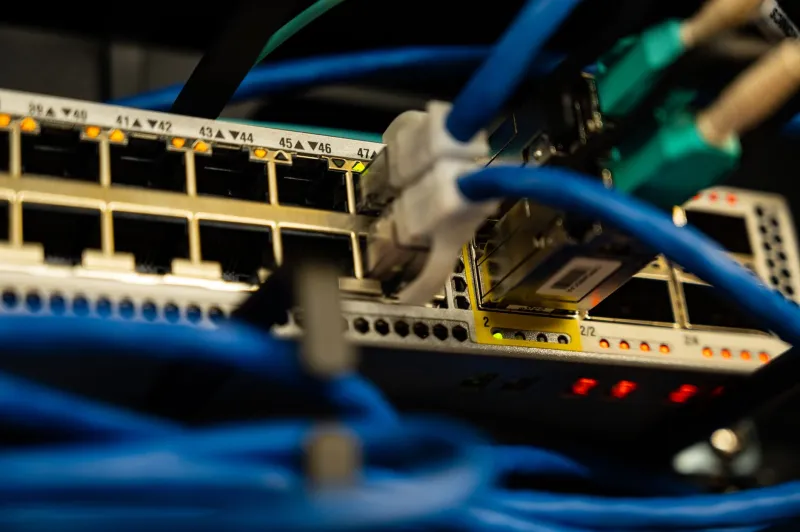
Mirror platforms operate on a fundamentally different philosophy. Instead of funneling all traffic through a single chokepoint, they distribute load across multiple access nodes — geographically spread, independently maintained, and designed to pick up the slack if any one point experiences stress.
Think of it like the interstate highway system versus a single-lane road. When there's an accident on the highway, traffic reroutes. When there's a problem on a one-lane road, everyone stops.
Here's what that means in practical terms for your gaming session:
- Automatic failover: If the primary node experiences a spike or goes offline, traffic shifts to a backup mirror in milliseconds. Most players never even notice it happened.
- Load balancing: During peak hours — say, weekend evenings when US player traffic spikes — requests get distributed across multiple servers rather than queuing up behind each other.
- Geo-optimized routing: Mirror nodes can be positioned closer to specific user bases, meaning an American player might actually get lower latency through a well-placed mirror than through the official domain routed from overseas.
- Faster game asset delivery: When game files are cached across multiple nodes, they load faster. Animations run smoother. Slot reels spin without stuttering.
The Win Rate Connection Nobody's Talking About
Okay, so smoother performance sounds nice — but does it actually affect outcomes? More than you'd think.
Consider the mechanics of modern video slots. These games run on random number generators that operate independently of your connection quality, sure. But the experience of playing — and the decisions you make — absolutely doesn't. A laggy session creates cognitive friction. You second-guess whether your bet registered. You hesitate on a bonus feature decision because the screen froze for a second. You get distracted by a reload notification right when you were tracking a pattern in your session.
Studies on decision-making under friction consistently show that even minor interruptions degrade the quality of choices people make. In a casino context, that translates directly to things like: abandoning a session before a bonus round triggers, missing a limited-time promotional window, or simply playing sloppier because your attention is split between the game and fighting the platform.
Stable, high-uptime infrastructure removes that friction. And when the friction is gone, players tend to make better decisions — sticking to their budgets, playing at their intended pace, and actually engaging with the strategic elements that games like blackjack or video poker reward.
Uptime Numbers: Why They Matter More Than Marketing Copy
Most casino platforms advertise something like "99.9% uptime" without players really understanding what that means. Here's a quick breakdown:
- 99% uptime = roughly 87 hours of downtime per year. That's over three and a half days your casino could be unavailable.
- 99.9% uptime = about 8.7 hours per year. Better, but still enough to hit you on a bad night.
- 99.99% uptime = under an hour per year. This is what multi-node, redundant architecture actually makes achievable.
The difference between 99% and 99.99% might sound small on paper. In practice, it's the difference between a platform that's reliably there when you want to play and one that keeps you guessing.
Mirror-based platforms — particularly those with mature, distributed infrastructure like what powers Вулкан Платинум Зеркало — trend toward that higher end of the scale precisely because no single failure can take the whole system down.
Peak Hours Are Where It Gets Real
If you've ever noticed that your favorite casino site feels sluggish on weekend evenings or during major sporting events (when a lot of US players are online simultaneously), you've experienced peak-hour degradation firsthand. It's one of the most common complaints among online gamblers, and it's almost entirely an infrastructure problem.
Mirror platforms handle this differently because they're designed with traffic distribution in mind from the start. Rather than bolting on extra capacity as an afterthought, the architecture assumes variable, high-demand load and routes accordingly. The result: Friday night at 10 PM plays almost identically to Wednesday morning at 9 AM. Consistent performance, regardless of when you're logging in.
For US players who tend to cluster their gaming sessions around evenings and weekends — because, you know, jobs exist — this consistency matters a lot.
What to Look For When Evaluating a Platform's Infrastructure
You don't need to be a network engineer to assess whether a casino platform is built for reliability. A few practical signals:
- Multiple access URLs: If a platform offers more than one way to reach it, that's a sign of distributed infrastructure.
- Fast load times across different times of day: Test the platform at peak and off-peak hours. Consistent speed suggests good load balancing.
- Low disconnection frequency: If you're regularly getting booted mid-session, that's a single-point architecture problem.
- Game asset caching: Games that load instantly on repeat visits are being served from a CDN or distributed cache — a good sign.
At the end of the day, a casino platform is only as good as its ability to actually be there when you want to play. The best game library in the world means nothing if the site goes dark every Friday night or freezes during a bonus round.
Multi-access architecture isn't just a technical detail — it's the foundation that everything else is built on. And for American players navigating an already complex landscape of geo-restrictions and regional limitations, having a platform that's reliably accessible from multiple routes isn't a luxury. It's the baseline you should be demanding.