Same Slot, Totally Different Vibe: What's Actually Happening When Mirror Platforms Change How a Game Feels
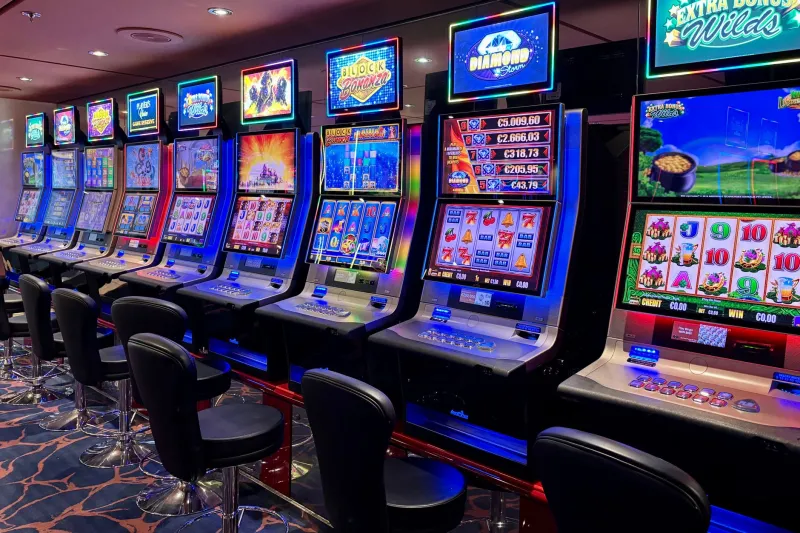
Here's something that trips up even seasoned players: you fire up a slot you know cold — let's say a high-volatility grid game you've put serious time into — and it just doesn't behave the way you remember. The reels feel sluggish. The bonus round triggers at a weird cadence. The whole thing has a different energy, even though the game title, the RTP, and the developer are identical to what you played last week.
You're not losing your mind. And you're not just having a bad run.
What you're experiencing is the mirror paradox — a genuinely fascinating quirk of how alternative casino platforms deliver content, and one that most players never think to examine. At Вулкан Платинум Зеркало, we spend a lot of time thinking about what actually separates a great gaming session from a frustrating one. And this topic sits right at the center of that question.
The Game Is the Same. The Environment Around It Isn't.
Let's start with the most important distinction: the core game logic doesn't change across platforms. A slot built by Pragmatic Play or NetEnt runs on certified software with a fixed RTP and a mathematically defined RNG. No mirror platform can legally or technically alter that core engine. What the platform does control is everything wrapped around it.
Think of it like a movie screened in two different theaters. The film is identical frame-for-frame. But one theater has a crisp 4K projector, perfect acoustics, and comfortable seats. The other has a slightly washed-out picture, audio that lags half a beat, and armrests that dig into your elbows. Same movie. Completely different experience.
Mirror platforms are those theaters. And the variables they control matter more than most players realize.
Latency: The Hidden Hand on the Spin Button
Server latency is probably the least glamorous topic in online gambling, but it has an outsized effect on how gameplay feels. When you hit spin, there's a chain of communication happening between your device, the platform's servers, and the game provider's RNG infrastructure. On a well-optimized mirror platform, that chain is nearly invisible — response times under 100 milliseconds feel instantaneous to the human brain.
But push that latency to 300ms or beyond, and something subtle shifts. Animations stutter. The gap between action and result stretches just enough to break the natural rhythm of play. Studies in behavioral psychology have shown that even minor delays in feedback loops can alter risk tolerance and decision-making — players tend to either slow down and second-guess themselves, or speed up impulsively to compensate for the lag.
Either way, you're not playing your best game. And the platform's infrastructure is the reason why.
For US players accessing international casino content through mirror sites, latency can vary significantly depending on where those servers are physically located. A platform routing traffic through European data centers will perform differently than one with CDN nodes closer to North American users. It's worth paying attention to.
RNG Delivery: Same Algorithm, Different Pipeline
Here's where things get a little more technical — but stick with it, because this one is genuinely interesting.
The RNG (random number generator) that determines slot outcomes is baked into the game software itself. That doesn't change. What can vary is how and when those results are communicated back to the player interface. On some platforms, there's a buffering layer that caches game state information to reduce server load. On others, every spin result is delivered in real time with no intermediary step.
In practice, this creates a subtle but real difference in how outcomes feel. Buffered delivery can occasionally create micro-inconsistencies in animation timing — where the visual representation of a spin result is slightly out of sync with the actual outcome already determined by the RNG. Most players never consciously notice this. But on a subconscious level, it can make wins feel less satisfying and losses feel more arbitrary.
It's not manipulation. It's just imperfect plumbing. And it's one more reason why platform quality — not just game selection — deserves serious attention.
UI/UX: The Psychology of Layout
Beyond the technical stuff, there's a softer but equally real variable: how the platform presents the game to you.
Mirror sites vary enormously in their interface design. Some wrap casino games in clean, distraction-free layouts that let you focus entirely on the gameplay. Others layer on promotional banners, pop-up notifications, chat features, and auto-play warnings that constantly pull your attention sideways. This isn't just an aesthetic preference — it has measurable effects on player behavior.
Research in cognitive load theory suggests that cluttered interfaces increase mental fatigue and reduce the quality of decision-making over time. If you're playing blackjack and you've got three promotional overlays competing for your peripheral vision, you're operating with a fraction of the focus you'd have on a cleaner platform. The game is identical. Your performance in it isn't.
Button placement matters too. The position of the spin button, the bet adjuster, the paytable access — small differences in layout can change how quickly and confidently you navigate each session. Platforms that mirror the original game's UI closely tend to create a more comfortable experience for players who already know the game. Platforms that restyle everything introduce a learning curve that costs you in the early sessions.
What This Means for How You Choose Platforms
If you're a US player using mirror platforms to access international casino content — which, let's be honest, is increasingly common given how many top-tier titles aren't officially available stateside — this stuff should factor into your decision-making.
Don't just chase the platform with the biggest bonus or the longest game library. Spend a session or two paying attention to how the games feel. Is the response time sharp? Do animations run smoothly? Is the interface clean enough to let you think clearly? Does the platform feel like it was built to serve players, or built to maximize screen time at any cost?
These aren't soft, subjective questions. They have real consequences for your session quality and, over time, your results.
The Platinum Standard
At Вулкан Платинум Зеркало, the whole point of alternative access is that it should feel better than hitting a geo-block wall — not just functional, but genuinely good. A mirror platform that delivers the same game through a janky, high-latency, visually cluttered interface hasn't actually solved the problem. It's just moved it sideways.
The mirror paradox is real. The same slot can play completely differently depending on where you access it. Now that you know why, you're in a much better position to find the environments where your favorite games actually shine — and to recognize the ones that are quietly working against you before they cost you a session you didn't need to lose.